L’ado qui pense qu’ici il aurait un peu d’mal à enchaîner
The Teen who Thinks He would have Trouble Moving On Over There
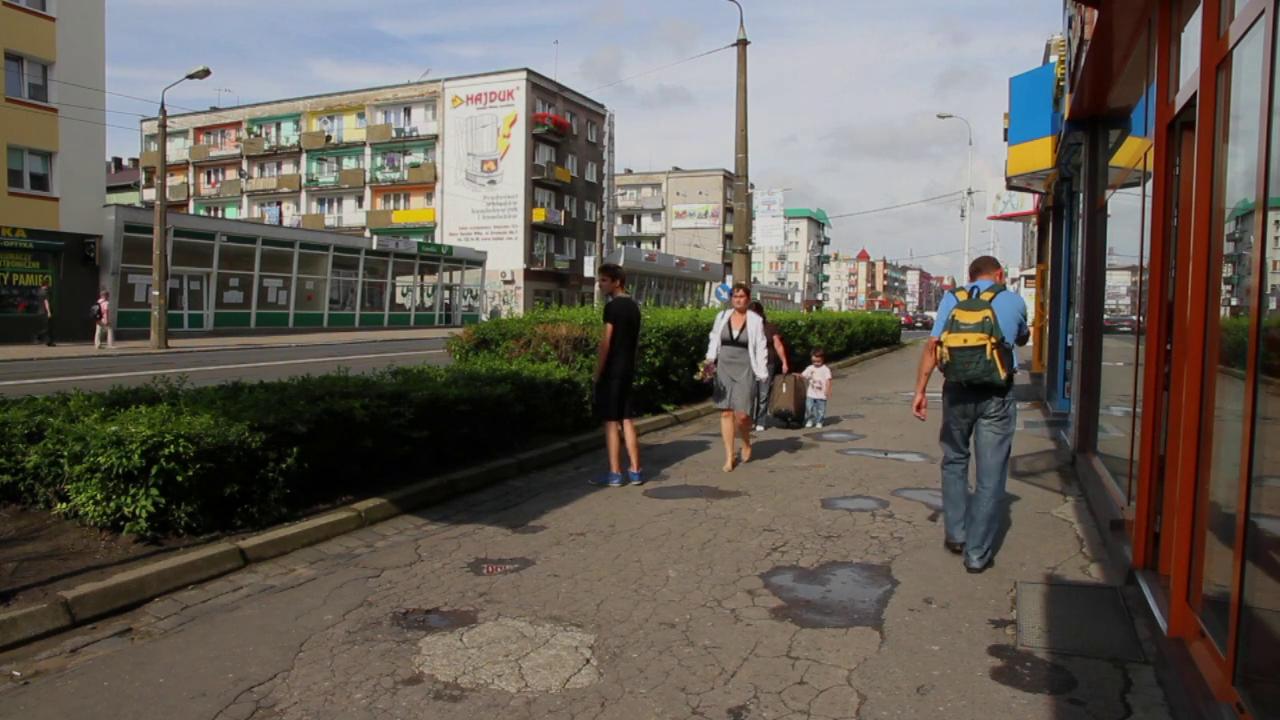
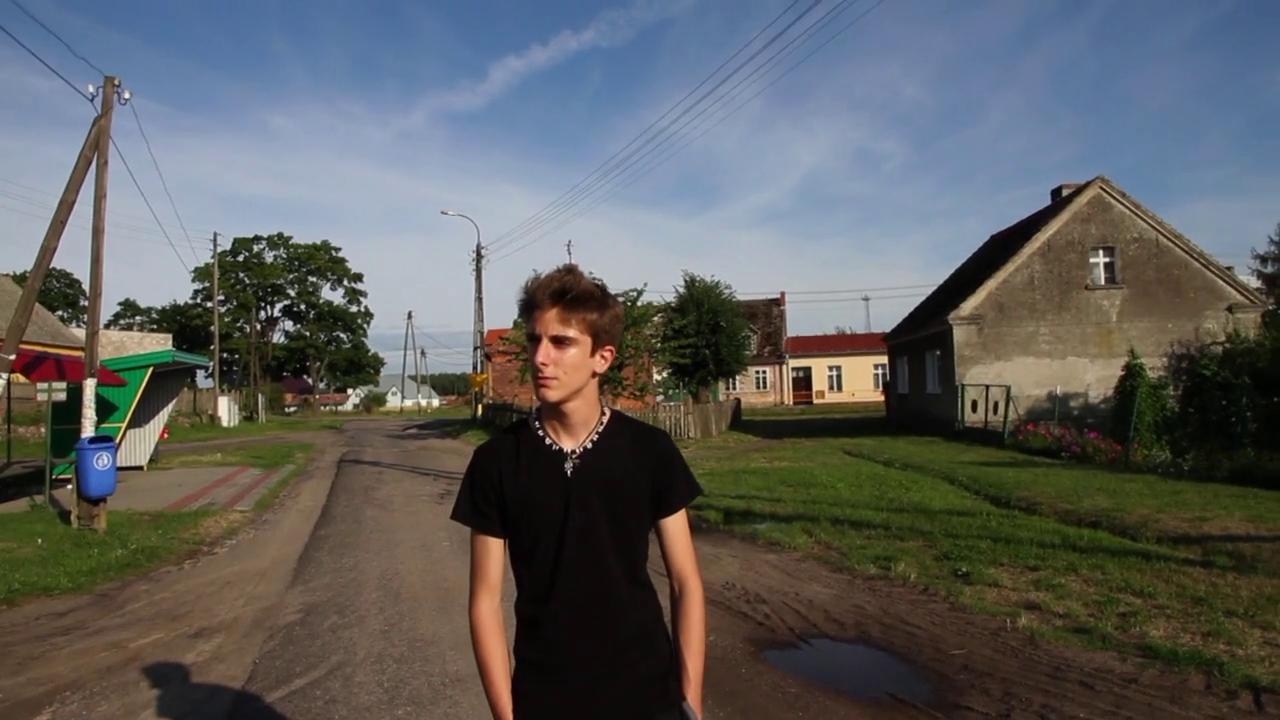
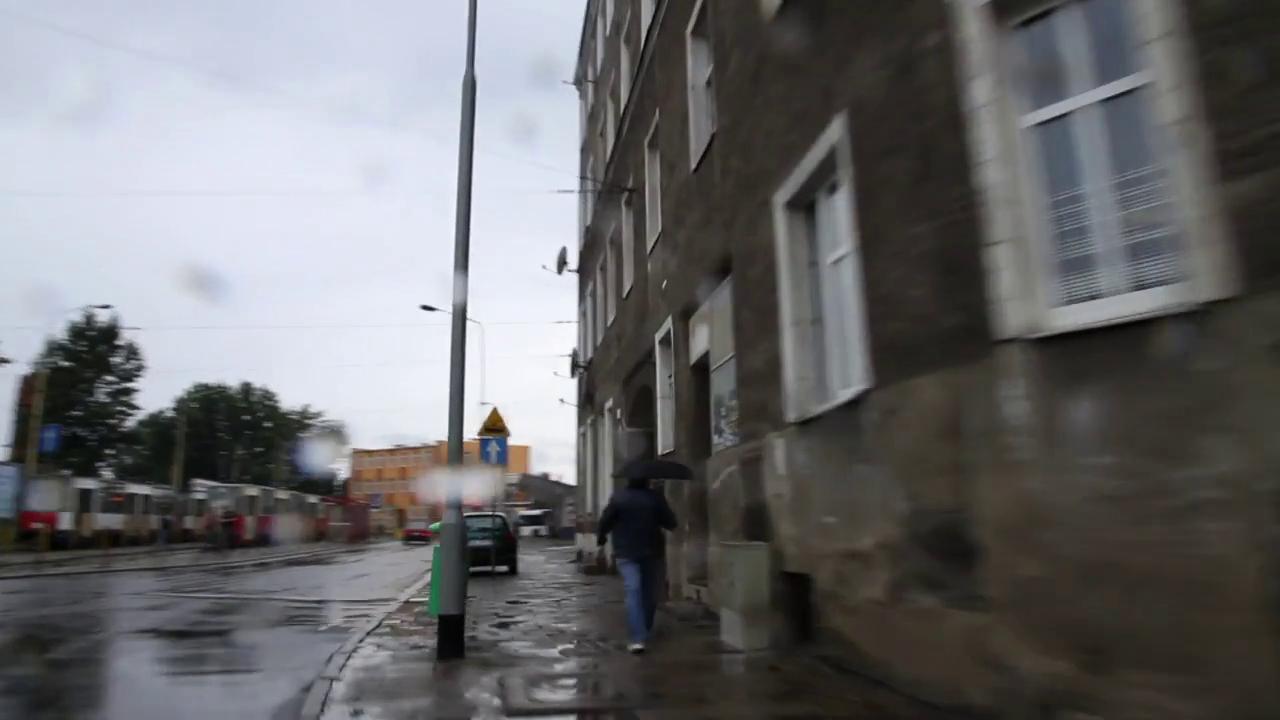
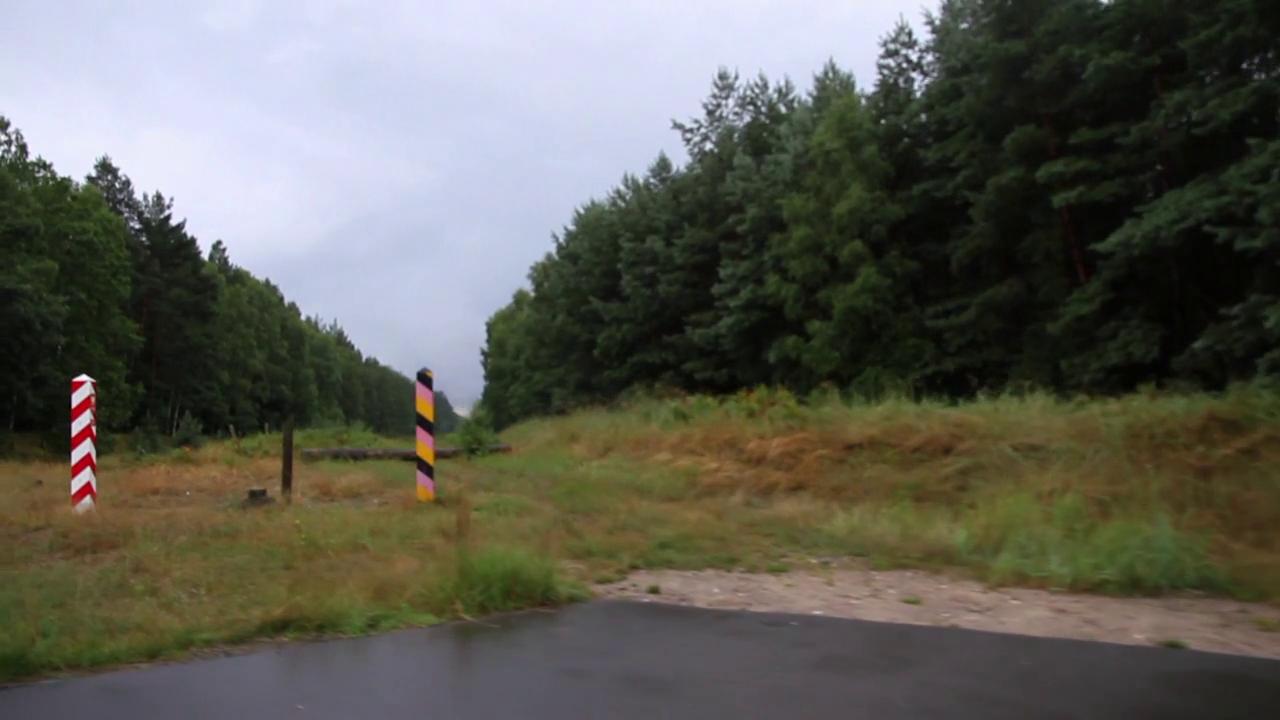
« Filmée entre la Pologne et l’Allemagne (à Berlin et Pasewalk, à l’Est du pays), la vidéo de L’ado qui pense qu’ici il aurait un peu d’mal à enchaîner forme avec Le mec et la nana (…) une sorte de diptyque abordant la nature d’une construction individuelle à l’heure du « désenchantement du monde » [Bernard Stiegler]. Proche, là encore, d’un format de programmes destinés à la télévision, la vidéo révèle, sous une forme faussement documentaire, un témoignage désabusé lié à l’élargissement de l’espace Schengen. Déplacés vers l’Europe de l’Est, les thèmes envisagés par Jean Charles Massera sont cette fois exprimés par un adolescent, entendu en voix off. Moins fixe que son pendant occidental, le film alterne entre la présentation d’aires urbaines et périurbaines, en de longs travellings, et des moments de pause montrant le jeune homme : ses errances, à pieds ou en skateboard ; son observation silencieuse du territoire. Les commentaires qu’il apporte, parfois proches des réflexions émises par le couple, détonnent par rapport à ce qu’on pourrait attendre d’un adolescent occidental ordinaire : des résidus de discours théoriques, prononcés avec cette désinvolture caractéristique, émergent d’autres types de paroles, comme l’interprétation du tube dance allemand du dernier été, Nein Mann. Utilisé en fil rouge, le refrain prend dès lors des airs de ritournelle : il signale à la fois l’omniprésence de l’industrie culturelle, et une sorte d’exercice d’orientation et d’appropriation depuis un contexte étranger. »
Guide du visiteur, IAC – 2010
Filmed between Poland and Germany (in Berlin and Pasewalk, in the East of the country), the video The Teen Who Thinks He Would Have Trouble Moving On Over There forms a sort of diptych with Le mec et la nana (The Guy and the Girl), tackling the nature of individual construction in the era of the “disenchantment of the world” [Bernard Stiegler]. Again, close to a television programming format, the video reveals, in a falsely documentary style, a disillusioned account related to the enlargement of the Schengen Area. The themes envisioned by Jean Charles Massera, transposed to Eastern Europe, are this time expressed by an adolescent, heard in a voice-over. Less static than its Western counterpart, the film alternates between the presentation of urban and peri-urban areas, in long tracking shots, and moments of pause showing the young man: his wanderings, on foot or by skateboard; his silent observation of the territory. The comments he offers, sometimes close to the reflections voiced by the couple, clash with what one might expect from an ordinary Western adolescent: remnants of theoretical discourse, pronounced with that characteristic casualness, are interspersed with other types of speech, such as the interpretation of the German dance hit from the last summer, Nein Mann. Used as a common thread, the chorus thus takes on the air of a refrain or catchphrase: it signals both the omnipresence of the cultural industry and a sort of exercise in orientation and appropriation from a foreign context.